Besan Plant Setup Cost
Planning to set up a Besan Plant? The total investment typically ranges from around ₹8 Lakhs to ₹50 Lakhs (or more), depending on plant capacity, degree of automation, and selected machinery + infrastructure setup. You can choose between small‑scale, semi‑automatic or fully automatic configurations based on your production needs and budget.
Types of Besan Plants:
a) Small / Mini Plants (Small-scale / low output)
Ideal for startups or small businesses.
Requires around 600–1,000 sq. ft. of space (if minimal storage and simple setup).
Setup cost can be on the lower end — about ₹5–8 Lakhs (for very basic setups) according to some sources.
Suitable where demand is modest or you wish to test the business before scaling up.
b) Medium Plants (Moderate capacity, regular production)
Suitable for steady supply to local markets or small to medium distribution networks.
Requires more space and better infrastructure — roughly 1,000–3,000 sq. ft. (depending on storage needs, processing & packaging area).
Machinery + initial infrastructure cost usually amounts to ₹15–₹30 Lakhs (for medium‑scale plants) as one estimate suggests.
Good balance of investment and production capacity for a reliable business setup.
c) Large / Industrial‑scale Besan Plants (High capacity & automated)
For supplying large markets, wholesale, retail chains or packaging brands.
Requires significantly larger infrastructure, space, storage, and possibly multiple processing/packing lines.
Machinery & setup costs can go up to ₹30–₹50 Lakhs (or more) depending on automation level, capacity, raw‑material storage, packing, and other utilities.
Key Specifications & Typical Cost Breakdown for Besan Plant Setup:
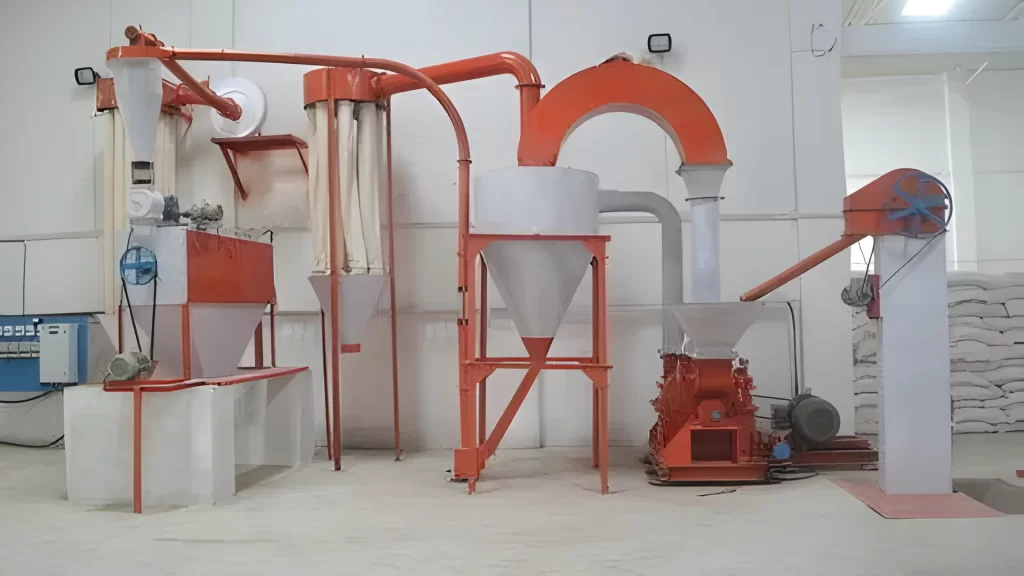
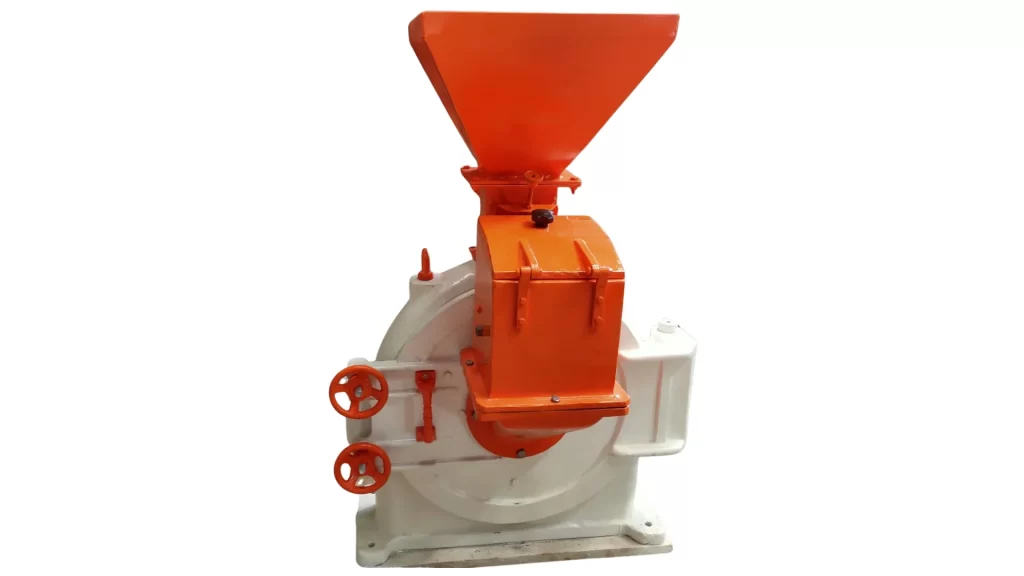
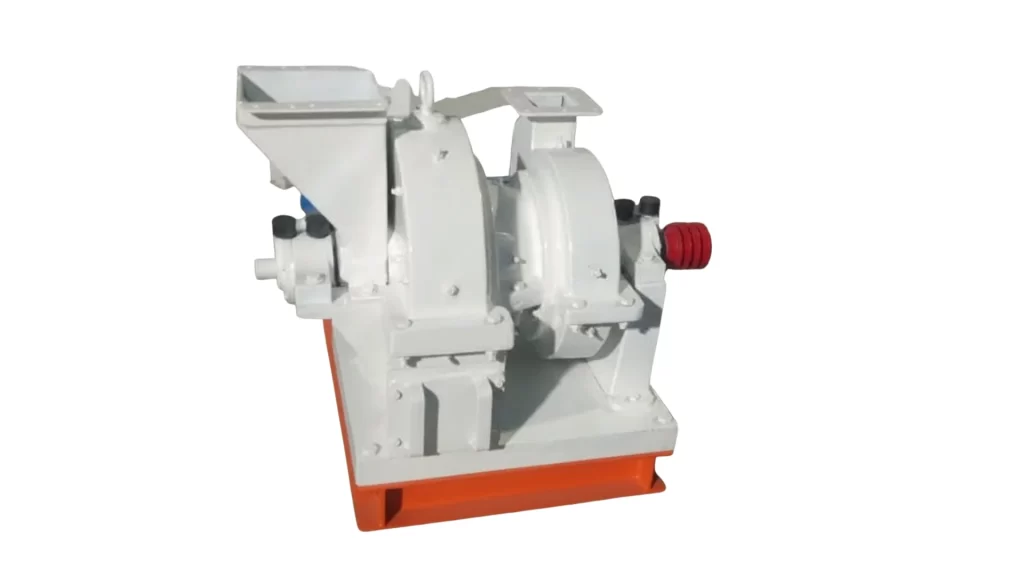
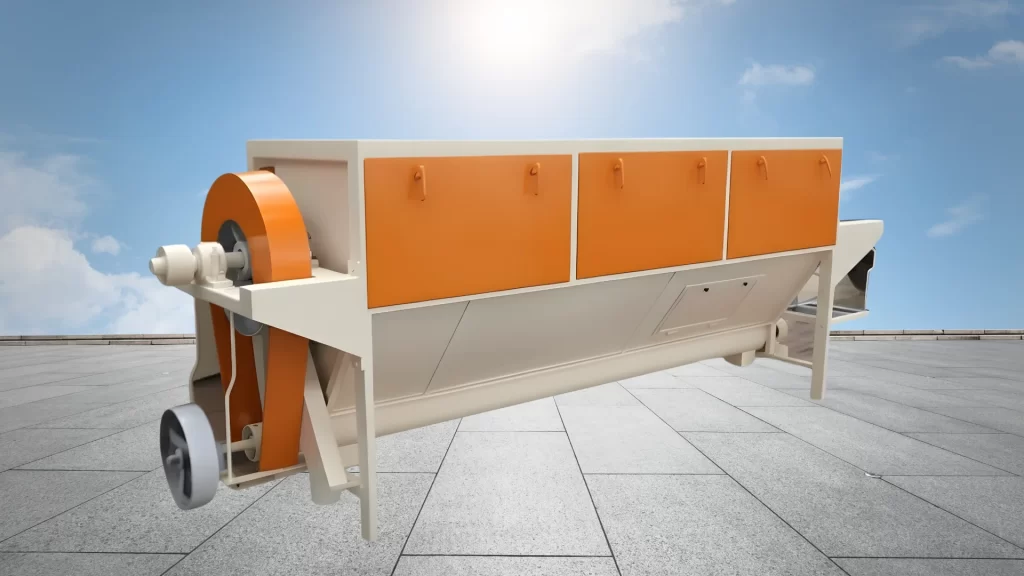
Machinery & Equipment: Cleaning machines, de‑stoner, grinders/pulverizers, sieving machines, packing machines, conveyors, storage bins. For small/medium units, total machinery cost roughly ₹10–₹15 Lakhs (depending on configuration).
Infrastructure (Building / Shed / Storage / Utilities): Depending on location and size — for example, for a 2,000 sq ft setup, infrastructure cost may come around ₹15–₹30 Lakhs.
Automation & Packaging Line: If you include automatic packaging machines, dust control, sieving and polishing — cost increases, but quality, hygiene and output consistency improve.
Raw Material & Working Capital: You need regular supply of chickpeas (chana), plus working capital for labour, electricity, packaging, maintenance, etc. Pipl+1